

Table of contents
- Best LiftMee LED mask in 2026: An overview of the models
- Effect of LED light therapy on the face: What the wavelengths actually do
- How often to use an LED mask: What makes sense
- Safety, contraindications, and hygiene for the LED mask
- LED mask or professional treatment: The comparison
- Wellmaxx Swiss skincare routine: How to integrate the mask into your everyday life
- Conclusion: Which LiftMee LED mask is right for you?
- Frequently asked questions
Last updated: 30 September 2026
Best LiftMee LED mask in 2026: An overview of the models
The best LiftMee LED mask in 2026 is the LiFTmee LED beauty mask with its four matrix light wavelengths, closely followed by the Charge 002 with three selectable modes. Both devices cost CHF 199.00 and bring professional light therapy home. If you have to choose between the two models, the decision really comes down to one thing: automatic mode switching or manual selection.

Facial light therapy is no longer a niche product. More and more people over 30 are turning to LED masks because they want to reduce wrinkles, improve skin elasticity, and stimulate collagen production without going under the knife. The LiFTmee range is our answer to that.
Here is the key point that many guides overlook: the two masks do not differ in their light technology, but in how they are operated. That sounds like a detail. But it is exactly what determines in everyday life whether a device is used regularly or ends up in a drawer.
LiFTmee LED beauty mask: Four wavelengths, one button
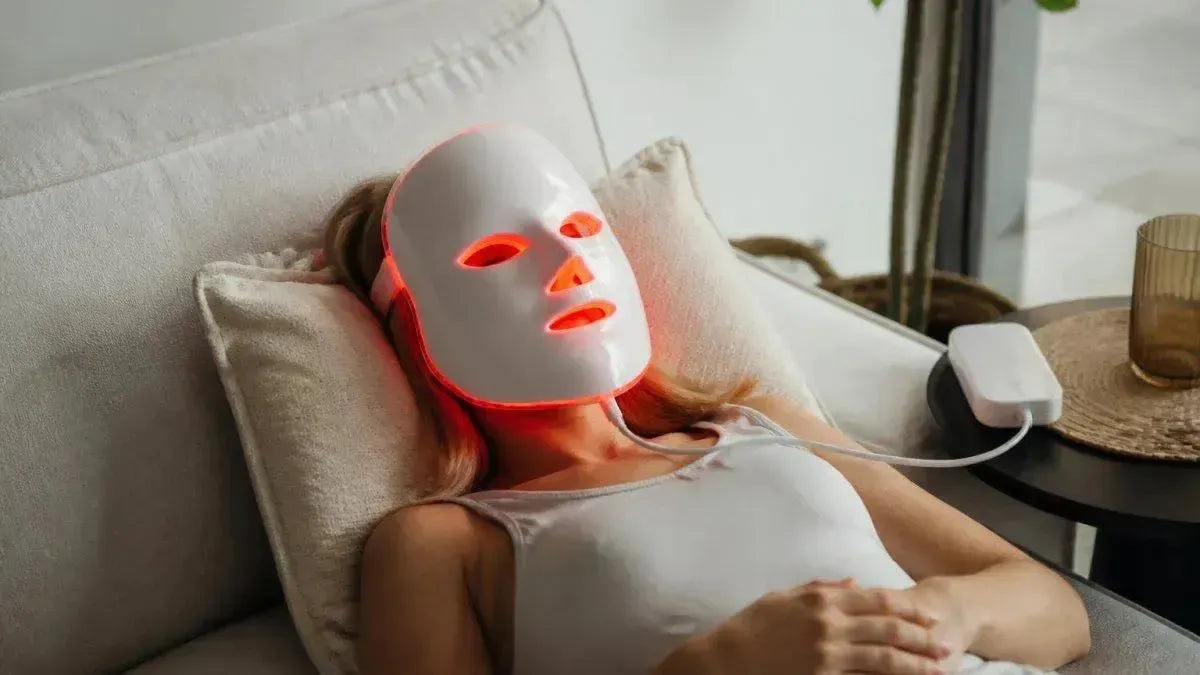
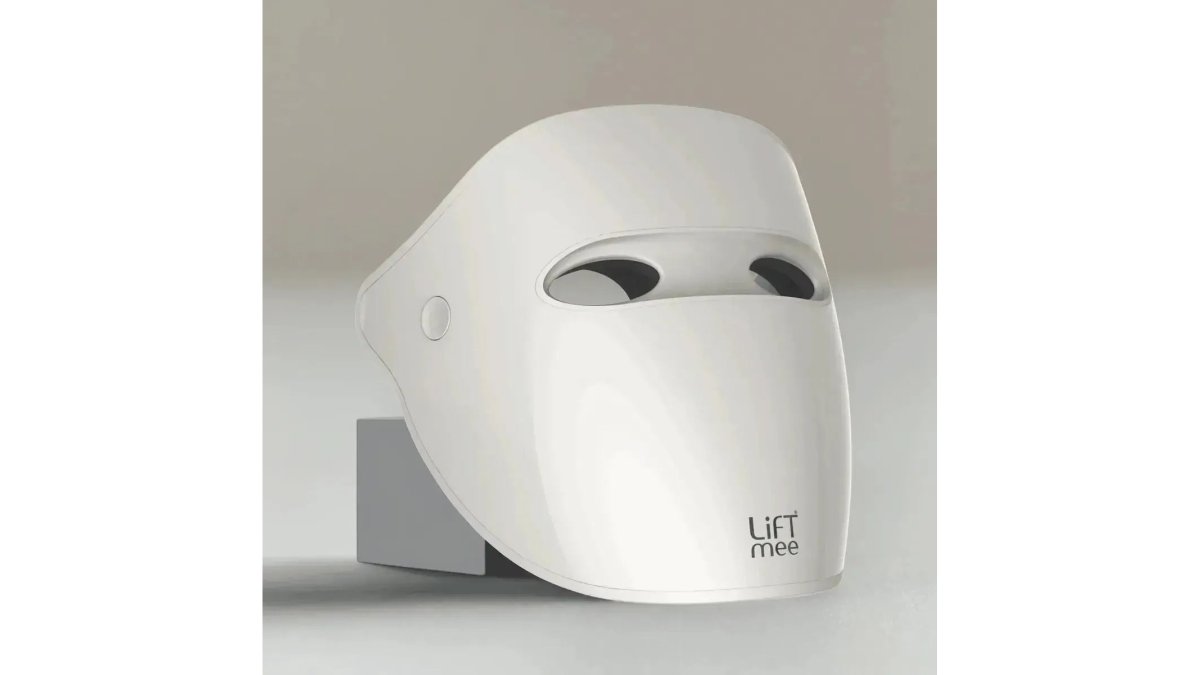
Four wavelengths work together in this mask: deep red, red, near-infrared, and blue light. 220 high-energy light beads ensure even illumination across the entire face so that the wavelengths can penetrate deep into the skin layers.
The one-button control makes the application extremely simple. Once switched on, the modes alternate automatically at 3-minute intervals. After 30 minutes, the device switches off by itself.
- Red and deep red: can promote collagen formation and counteract fine lines
- Near-infrared: penetrates deeper and supports cell regeneration
- Blue: affects the appearance of blemished skin and regulates sebum production
LiFTmee LED beauty mask Charge 002: Three modes for different skin conditions
There are three operating modes to choose from here: Soothing, Brightening, and Anti-Aging. You select the mode that matches your current skin condition at the press of a button. The mask runs for 10 minutes and then switches off automatically.
Effect of LED light therapy on the face: What the wavelengths actually do
LED light therapy is the application of light with defined wavelengths to the skin in order to stimulate cellular processes without damaging the skin. The effect depends directly on the wavelength, measured in nanometers. An LED mask is not a magical device that simply "lights up" - each wavelength has a different purpose and a different penetration depth.
The four wavelengths of the LiFTmee masks in detail
The LiFTmee LED beauty mask and the Charge 002 work with four matrix light wavelengths. The following ranges are the established windows in light therapy where these wavelengths typically fall:
- Blue light (approx. 415-445 nm): penetrates only the outermost skin layer (epidermis). It affects the appearance of blemished skin by regulating the activity of sebaceous glands and inhibiting the proliferation of inflammation-promoting bacteria. That is why it is associated with acne treatment.
- Red light (approx. 630-660 nm): reaches the upper layer of the dermis. Here it is about collagen production, skin elasticity, and fine lines.
- Deep red light (approx. 660-680 nm): works in the same area but with slightly higher energy per photon, which supports the stimulation of fibroblasts.
- Near-infrared light (approx. 810-850 nm): penetrates deepest, into deeper dermal areas, and supports cell regeneration and circulation there.
The mechanism: Photobiomodulation explained in concrete terms
This process is called photobiomodulation. Simply put: photons are absorbed by chromophores in the mitochondria - especially cytochrome c oxidase. This stimulates ATP production, the cell's energy currency. In addition, signaling pathways related to inflammation regulation and collagen synthesis are activated. The light energy is therefore not converted into heat, but into biological activity.
What the evidence shows - and what it does not show
The short-term effect of red light and near-infrared light on collagen and skin texture is relatively well documented in the dermatological literature. What is much thinner on the ground: robust long-term studies over several years. Most studies follow users for weeks to months, not decades. That does not mean the application is unsafe - it means that claims about long-term dermatological effects should be made with caution.
Overview of photobiomodulation and light therapy
How often to use an LED mask: What makes sense
The usage frequency is where most users make mistakes. The widespread assumption that "more is better" does not apply here.
| Skin goal | Frequency | Duration | Mode |
|---|---|---|---|
| Anti-aging and wrinkle reduction | 3-4x per week | 10-30 min. | Red and near-infrared |
| Acne treatment | 3x per week | 10 min. | Blue |
| Soothing after sun exposure | 2-3x per week | 10 min. | Soothing |
| Care for sensitive skin | 2x per week | 10 min. | Soothing |
Safety, contraindications, and hygiene for the LED mask
LED light therapy is considered non-invasive and low in side effects when used as intended. Nevertheless, there are clear limits you should know before buying a mask. Most buying guides cover this topic in two sentences - yet it determines whether the application is suitable for you at all.
Contraindications for specific skin conditions
Not every skin reacts the same way. Extra caution is needed for the following conditions, and a dermatological assessment before the first use is advisable:
- Rosacea: Skin with rosacea often reacts hypersensitively to heat and light stimuli. Red and deep red light can increase redness in some sufferers rather than soothe it. The soothing mode of the Charge 002 is not automatically the safe choice here - what matters is how your skin responds to the wavelength individually.
- Eczema and atopic dermatitis: An LED mask should not be placed on acutely inflamed or scratched skin areas. Light therapy can be supportive during flare-free phases, but it does not replace dermatological treatment.
- Light sensitivity (photosensitivity): Anyone who reacts to sunlight or certain light spectra with redness, itching, or burning should have a specialist clarify in advance whether an LED mask is suitable.
- Active skin infections or open wounds in the treatment area: In this case, the answer is a clear no until the area has healed.
- Medications that increase light sensitivity: Certain antibiotics, retinoids, and some antidepressants can make the skin more light-sensitive. If you are on medication, it is advisable to check the package insert or speak with a doctor.
- Pregnancy: Medical advice is sensible here, even if there is no evidence of risk.
What is normal during use - and what is not
A slight feeling of warmth during use is normal. What is not normal: persistent redness after the session, burning, itching, or swelling. If any of these symptoms occur, stop using the mask and let the skin calm down before trying again.
Hygiene and maintenance: The underrated factor
Hygiene and maintenance are not mentioned at all in most buying guides. Yet they determine whether your mask is still hygienic after a year - and whether the light output remains constant:
- Clean the inside after each use with a soft, slightly damp cloth
- Do not use alcohol-based cleaners; they damage the surface
- Let the mask dry completely before putting it away
- Store it in a dry place, not in a damp bathroom cabinet
- Check the charging cable regularly for damage
- Inspect the light beads: if individual LEDs no longer light up, even illumination decreases - a reason to check the device
LED mask or professional treatment: The comparison
Professional light therapy in a clinic uses higher light intensity and is carried out by specialists. A home LED mask works at lower intensity, but you can use it regularly and without an appointment.
Wellmaxx Swiss skincare routine: How to integrate the mask into your everyday life
A Wellmaxx Swiss skincare routine with an LED mask does not require you to change your entire regimen. The mask adds to what you already do.
This is what a typical week looks like:
- Monday: cleansing, serum, LED mask 10 minutes, moisturizer
- Wednesday: cleansing, LED mask 10 minutes, skincare
- Friday: cleansing, serum, LED mask 10 minutes, rich night care
- Sunday: cleansing, soothing mode, moisturizing mask
Information on sun protection and skincare
Conclusion: Which LiftMee LED mask is right for you?
The choice between the two masks comes down to one question: do you want control or convenience?
Frequently asked questions
Which LiftMee LED mask is the test winner?
There is no independent test result available. For most users over 30 with wrinkles and loss of elasticity, the LiFTmee LED beauty mask is the obvious choice: 220 high-energy light beads, four matrix wavelengths (deep red, red, near-infrared, blue), and automatic mode switching every 3 minutes, switching off after 30 minutes. If you prefer to choose specifically between Soothing, Brightening, and Anti-Aging, go for the Charge 002 with three operating modes and a 10-minute runtime. Both cost CHF 199.00.
How often should you use an LED mask for visible results?
The usage frequency of an LED mask depends on the device. The LiFTmee LED beauty mask runs for 30 minutes and switches modes automatically every 3 minutes, while the Charge 002 runs for 10 minutes and then switches itself off. For a consistent routine, use it several times a week at the same time of day, ideally in the evening after cleansing. Consistency over weeks is more important than long individual sessions. Start with shorter intervals if you have sensitive skin.
Are LED masks suitable for every skin type?
The LiFTmee devices are designed for cosmetic use on healthy skin. The Dermaglow 3in1 explicitly states suitability for sensitive, dry, and normal skin. In the case of active inflammation, open areas, sunburned skin, or a dermatological condition, medical advice should be sought first. Anyone who reacts to light or heat should first test a short session. The blue light in soothing mode affects sebum production and acne bacteria, but it does not replace medical acne treatment.
What should you look for when buying an LED mask?
Four points matter: wavelengths in nanometers, number of light beads, runtime, and control. The LiFTmee LED beauty mask lists four matrix wavelengths and 220 light beads for even illumination of the entire face. Also check whether the device switches off automatically (30 minutes for the beauty mask, 10 minutes for the Charge 002) and how it can be cleaned. If you also want EMS microstimulation and heat, the Dermaglow 3in1 offers a combination of light therapy and massage for CHF 79.90.


