

Last updated: October 22, 2026
Quick overview
A daily routine for facial redness consists of gentle cleansing with a soap-free foam and lukewarm water, a soothing toner with panthenol, a lightweight moisturizer with hyaluronic acid, and a mineral sunscreen with SPF 30 or higher. Avoid irritants such as alcohol, fragrances, and harsh surfactants, as they can further weaken the skin barrier.
- Cleanse with water only once a day; plain water is enough in the morning.
- Wait at least one minute between skincare steps to allow each product to absorb.
- Apply mineral sunscreen every morning, even in winter and on cloudy days.
- For couperose, a lightweight moisturizer is more important than a rich cream.
- Keep a skincare diary to identify products and foods that trigger flare-ups.
Table of contents
- Understanding the causes of facial redness
- The right cleansing routine for redness
- Ingredients for facial redness: What soothes and what irritates
- Couperose care: Strengthen vessel walls and avoid irritation
- Rosacea skincare routine: Step by step
- Daily UV protection for redness
- What to avoid with couperose
- Daily skincare tips: Makeup, seasons, and mental well-being
- Frequently asked questions
Understanding the causes of facial redness
Facial redness is a common concern, and its causes are more varied than many people think. To build an effective daily routine for facial redness, you first need to understand what's happening to your skin.
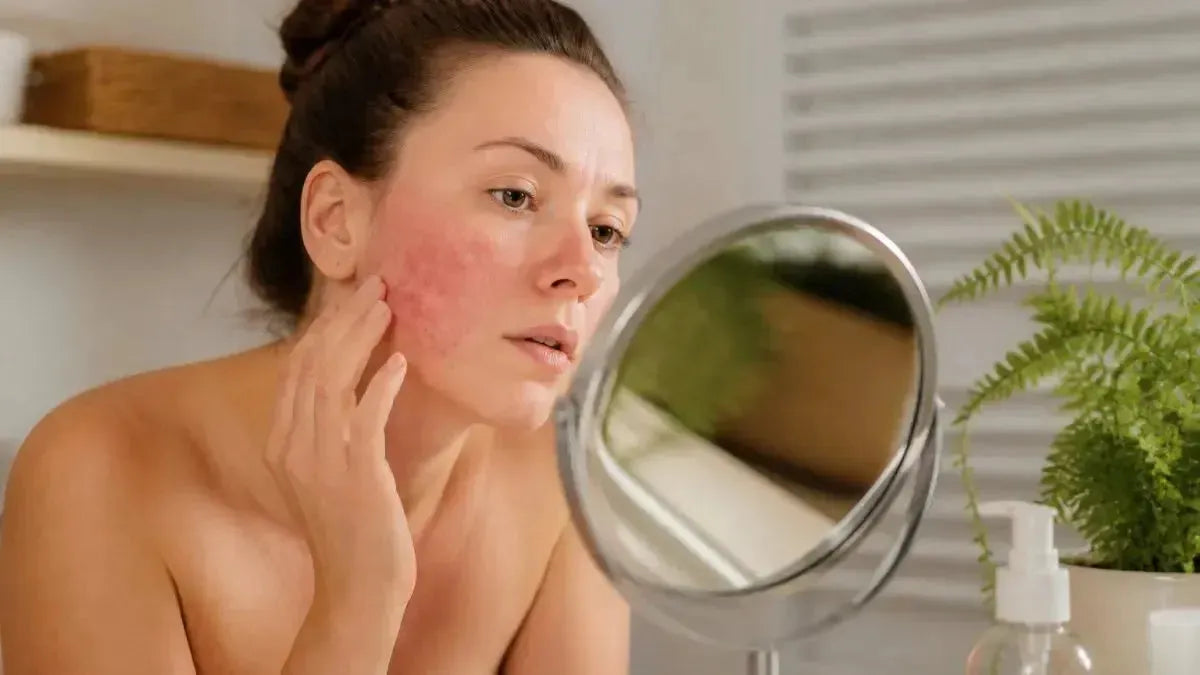
Facial redness occurs when the small blood vessels beneath the skin dilate. The skin barrier is often weakened as well. External irritants penetrate more easily, and the skin responds with redness, warmth, and tightness.
The most common triggers:
- Irritants such as harsh cleansers or fragrances
- UV radiation and temperature fluctuations
- Stress and hormonal changes
- Genetic predisposition in people with thin, fair skin
Couperose and rosacea: What's the difference?
Couperose refers to visible, dilated blood vessels on the face. The vessel walls are weak, and the redness persists. Rosacea is an inflammatory skin condition. It can cause pustules, swelling, and burning.
The key difference: Couperose is a cosmetic concern, while rosacea is a medical diagnosis. Rosacea should be treated by a medical professional. A good skincare routine can support treatment, but it cannot cure the condition.
The right cleansing routine for redness
Cleansing is the step where most mistakes happen. Water that's too hot, too much friction, or an overly harsh cleansing gel can damage the skin barrier day after day. For sensitive skin, less is more.
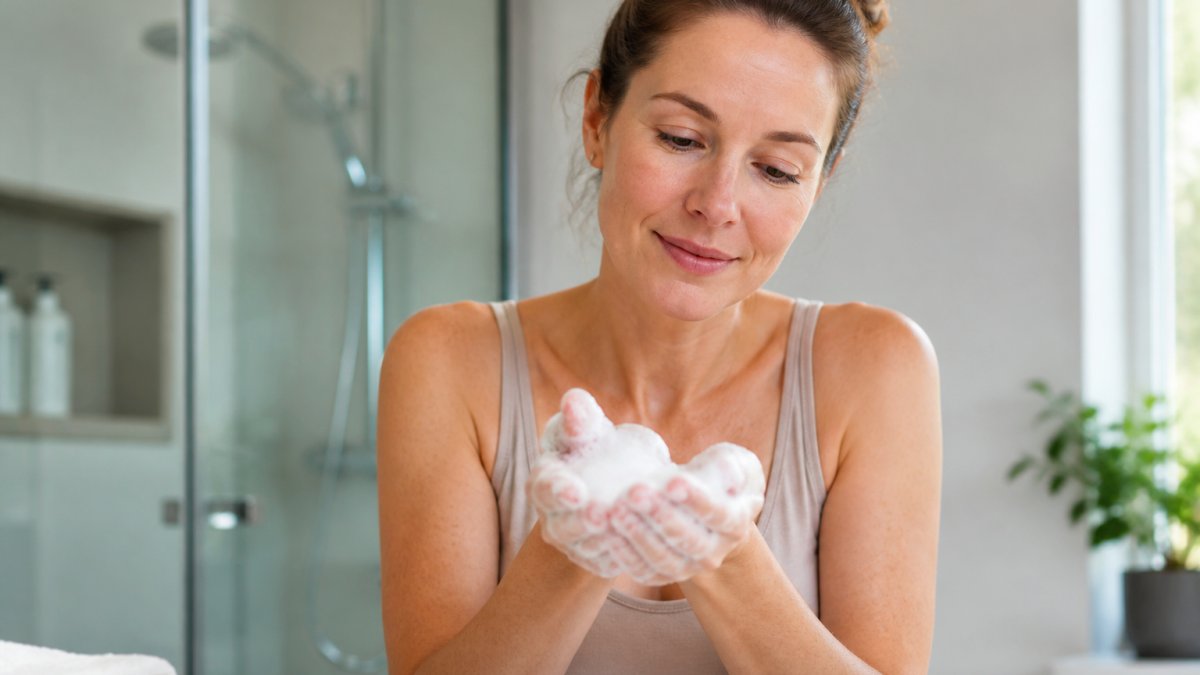
A soap-free cleansing foam is the safest choice. It removes makeup and sebum without drying out the skin. Our hyaluron⁵ gentle clean face wash (CHF 24.50) contains hyaluronic acid and helps retain moisture while cleansing.

Gentle cleansing methods for sensitive skin
- Use lukewarm water, never hot
- Massage cleanser in with your fingertips, not brushes
- Rinse thoroughly, but don't rub dry
- Cleanse with water only once a day; plain water is enough in the morning
- Apply skincare immediately after cleansing
An alcohol-free toner like our basiccare calming tonic (CHF 25.50) soothes the skin after washing. Panthenol and allantoin help relieve irritation, and the formula is fragrance-free and dermatologically tested.
Ingredients for facial redness: What soothes and what irritates
The ingredients you choose determine whether your skin can calm down. When looking for ingredients for facial redness, choose products with a short, straightforward ingredient list - and above all, know which ingredients can further weaken the barrier. This section gives you both: a list of active ingredients with explanations and a practical blacklist to check when shopping.
Soothing active ingredients and how they work:
- Panthenol (provitamin B5) draws moisture into the outer layer of the skin and supports skin barrier repair; at concentrations of around 2-5 % or higher, it noticeably relieves irritation.
- Allantoin has anti-inflammatory properties and promotes cell renewal; it is often combined with panthenol in soothing toners.
- Plant extracts such as aloe vera, chamomile, or oats soothe irritated skin; oats contain avenanthramides, which can reduce itching and redness.
- Hyaluronic acid hydrates and strengthens the skin from within; low-molecular-weight versions penetrate more deeply, while high-molecular-weight versions form a moisturizing film.
- Vessel-strengthening extracts such as horse chestnut, grape leaves, or butcher's broom support capillary walls and reduce the appearance of dilated blood vessels.
- Niacinamide (vitamin B3) strengthens the barrier and has anti-inflammatory properties; introduce it slowly if you have sensitive skin, as high concentrations can initially cause tingling.
The blacklist: Ingredients to avoid if you have redness
- Alcohol (Denat.) near the top of the INCI list - it strips the skin of oil and disrupts the barrier.
- Fragrances and essential oils - even "natural" fragrances such as limonene or linalool are among the most common contact allergens.
- Harsh surfactants such as SLS (Sodium Lauryl Sulfate) and SLES in cleansing products.
- High concentrations of acids - use glycolic, salicylic, or lactic acid only after consulting a medical professional, not daily.
- Exfoliants with coarse particles (walnut shells, salt) - they cause microscopic injuries.
- Preservatives such as methylisothiazolinone (MI) - known to cause allergic reactions.
- Coconut oil and other comedogenic oils for rosacea-prone skin - they can clog pores and promote inflammation.
Couperose care: Strengthen vessel walls and avoid irritation
When it comes to couperose care, there are two goals: strengthen the vessel walls and avoid all mechanical irritation. The appearance of dilated blood vessels can be reduced cosmetically, but they cannot be reversed. What you can influence is the overall appearance of your skin.
A lightweight moisturizer is more important than a rich cream. Heavy textures trap heat, and heat dilates blood vessels further. A fragrance-free gel like our hyaluron⁵ moist intense gel concentrate (CHF 37.00) cools and hydrates without weighing the skin down.

Protection from external triggers is also important. Sun, heat, and spicy foods are common triggers for a new flare-up.
Rosacea skincare routine: Step by step
A rosacea skincare routine follows a clear structure. With this skin condition, less is more, and every step should be gentle.
- Cleansing: soap-free foam, applied gently with lukewarm water
- Soothing: alcohol-free toner with panthenol
- Moisturizing: lightweight gel or serum with hyaluronic acid
- Protection: mineral sunscreen in the morning
- Evening: the same routine, without sunscreen
Wait at least one minute between steps to allow each product to absorb. Always test new products individually rather than introducing several at once.
Daily UV protection for redness
Sunscreen is the most important skincare step when dealing with redness. UV radiation damages vessel walls and worsens existing redness. Without UV protection, every other measure is significantly less effective.
Choose a mineral sunscreen with SPF 30 or higher. Mineral filters sit on the skin and are less likely to irritate sensitive skin than chemical filters. Apply it every morning, even in winter and on cloudy days.
For official advice on sun protection and skin health, see information from the Swiss Cancer League and the skin protection recommendations from the Federal Office of Public Health.
After summer, the skin also needs intensive recovery.
What to avoid with couperose
With couperose, avoiding triggers is just as important as skincare. Know the following triggers and avoid them where possible.
In daily life:
- Hot drinks, spicy foods, and alcohol
- Saunas, steam baths, and long, hot showers
- Extreme temperature fluctuations
- Stress and lack of sleep
In skincare:
- Mechanical irritation from exfoliants, massage brushes, or rough towels
- Products containing alcohol, fragrances, or essential oils
- Too many active ingredients at once
For makeup:
- Choose a lightweight, fragrance-free foundation
- Green color corrector visually neutralizes redness
- Cleanse your skin thoroughly but gently in the evening
Daily skincare tips: Makeup, seasons, and mental well-being
Daily care for facial redness is more than a product list. It includes three areas that many guides overlook - and these can make a real difference to how comfortably people live with their skin over the long term.
Makeup for redness: Cover without irritation
You don't have to give up makeup to conceal redness - but choosing the right products matters. A green color corrector visually neutralizes redness because green is the complementary color to red. Apply a thin layer to affected areas before foundation.
What to look for in makeup:
- Choose a lightweight, fragrance-free foundation - heavy, occlusive textures trap heat and can worsen redness.
- Mineral powders with zinc oxide or titanium dioxide offer some UV protection.
- Cleanse your skin thoroughly but gently in the evening - a soap-free foam removes makeup without rubbing.
- Avoid waterproof formulas that can only be removed with harsh cleansers.
- Replace sponges and brushes regularly and clean them weekly - bacteria can contribute to inflammation.
Our skineffect supreme foam cleanser (CHF 33.50) removes makeup effortlessly, with aloe vera and 66 % natural ingredients.

Seasonal adjustments: Navigating summer and winter
Skin needs a different balance in each season - especially when prone to redness.
Summer:
- Lightweight, water-based textures instead of rich creams.
- Consistent use of mineral sunscreen with SPF 30 or higher, even on cloudy days.
- After sun exposure, use cooling, soothing skincare with aloe vera or panthenol.
- Avoid prolonged exposure to direct midday sun and wear a hat.
Winter:
- A richer moisturizer with hyaluronic acid and ceramides.
- Lukewarm water instead of hot showers - temperature fluctuations are a common trigger.
- Maintain humidity in heated rooms (e.g., with humidifiers).
- Sunscreen even in winter, especially when snow reflects UV radiation.
Adjust your routine twice a year - lighter textures in spring and richer skincare in fall.
Mental well-being: Visible redness takes a toll - and that matters
Visible facial redness can take a significant toll on daily life: People report feeling self-conscious in social situations, avoiding activities, and constantly focusing on their skin.
What can help:
- Keep a brief skincare diary to identify triggers and regain a sense of control.
- Set realistic expectations: Couperose can be reduced, not reversed - knowing this can ease the pressure.
- Incorporate relaxation techniques such as breathing exercises or moderate exercise into your daily routine.
- Seek professional support if you are struggling - dermatologists understand the connection and can refer you for further help.
Understanding your skin better can help you feel more at ease with it.
| Area | Measure | Effect |
|---|---|---|
| Cleansing | soap-free foam, lukewarm water | protects the skin barrier |
| Soothing | toner with panthenol | relieves irritation, balances |
| Moisturizing | hyaluronic acid gel | plumps, cools |
| Protection | mineral SPF 30+ | protects vessel walls |
| Makeup | green color corrector | visually neutralizes redness |
| Seasons | adjust product textures | helps prevent skin barrier disruption |
| Mental well-being | skincare diary, relaxation | reduces stress as a trigger |
For a coordinated routine targeting redness and the first signs of aging, explore our skincare ranges. If you're unsure which products suit your skin, start with the soothing toner and build your routine step by step.
Frequently asked questions
What daytime and nighttime skincare is best for rosacea?
During the day, skin primarily needs moisture and UV protection. A fragrance-free daytime moisturizer with soothing ingredients such as panthenol or allantoin, followed by sunscreen with SPF 30 or higher, helps protect against irritation. At night, lightweight, moisturizing formulas without alcohol or fragrances can support the skin barrier. Avoid harsh exfoliating products and heavily perfumed creams. Introduce new products gradually, several days apart, to identify sensitivities early.
Which ingredients should be avoided for facial redness?
A gentle routine means avoiding fragrances, alcohol, essential oils, and harsh surfactants. High concentrations of exfoliating acids and mechanical exfoliants can also put additional strain on the skin barrier. Look for short ingredient lists without added fragrances. For daily care of facial redness, synthetic cleansers are a good alternative to soap. If your skin is sensitive, also avoid products containing menthol or camphor.
Can home remedies help with sudden skin redness?
Cool compresses with lukewarm water can provide short-term relief, but they do not replace appropriate skincare. Use caution with couperose and rosacea: Home remedies such as lemon juice or vinegar can further irritate the skin. If you are prone to dilated blood vessels, avoid extreme temperature changes. A protective daytime moisturizer with soothing plant extracts and consistent UV protection are more reliable in the long term than short-term home remedies.
What role does sunscreen play in daily care for redness?
UV radiation is a major trigger for dilated blood vessels and inflammation. Without daily sunscreen, redness can worsen. Use a moisturizer with SPF 30 or higher, even on cloudy days. Mineral filters are often better tolerated by sensitive skin. Apply sunscreen as the last step in your daytime routine and reapply it regularly when outdoors. This helps support long-term couperose care.
Facial redness calls for patience and the right routine. By avoiding irritants, strengthening the skin barrier, and protecting against UV radiation daily, you may notice calmer-looking skin in just a few weeks. Wellmaxx Swiss supports you with fragrance-free, dermatologically tested formulas that soothe and hydrate. Explore our skincare ranges for sensitive skin and start a routine your skin can truly tolerate. Discover now.


